The Role of Ambiance in Casino Design
The ambiance of a casino plays a pivotal role in shaping visitor behavior and enhancing their overall experience. Designers meticulously curate elements such as lighting, colors, and sounds to create an inviting atmosphere that encourages guests to stay longer. For example, dim lighting, juxtaposed with bright, colorful machines, creates a vibrant yet intimate environment, making patrons feel comfortable and engaged. This thoughtful manipulation of sensory elements helps casinos establish a thrilling yet relaxing space that keeps guests entertained, with many turning to the best online pokies australia real money options available to explore more.
Moreover, the soundscapes in casinos are crafted with precision to elevate the gaming experience. The sounds of slot machines ringing, the hum of conversation, and the occasional cheers of winners contribute to an energetic backdrop that can stimulate excitement and competition among players. Different areas of the casino may showcase varying sound levels, encouraging movement between sections and keeping guests immersed in their experience. This auditory environment influences emotional responses and can significantly lead to increased spending, as guests remain enchanted by the lively atmosphere.
Temperature and air circulation also play crucial roles in maintaining a comfortable environment. Casinos often maintain a cooler temperature to keep guests alert and engaged while they partake in various games. Additionally, the ability to regulate airflow ensures that the environment remains fresh and lively, further promoting longer visits. Collectively, these elements create a psychological space where patrons feel more inclined to spend time and money, ultimately enhancing the casino’s profitability and ensuring a rewarding experience for all.
Layout and Flow: Directing the Guest Experience
The layout of a casino is orchestrated with strategic intent, guiding guests through the gaming floor and encouraging exploration. Most casinos employ a winding design, which creates a sense of journey as patrons navigate from one gaming area to another. This deliberate choice is intended to prevent guests from feeling lost or overwhelmed while simultaneously enticing them to discover more games and activities. The absence of windows and clear exits plays into this strategy, making it easy for guests to lose track of time and prolong their stay, thereby benefiting the casino.
Furthermore, the placement of high-stakes games and popular slot machines at key points in the casino creates focal points that magnetically draw in patrons. By arranging the floor plan to highlight certain games, casinos can generate traffic to these areas, often leading to increased betting and participation. This careful orchestration of movement not only maximizes revenue but also contributes to a dynamic and engaging experience for visitors, making each visit feel unique and compelling.
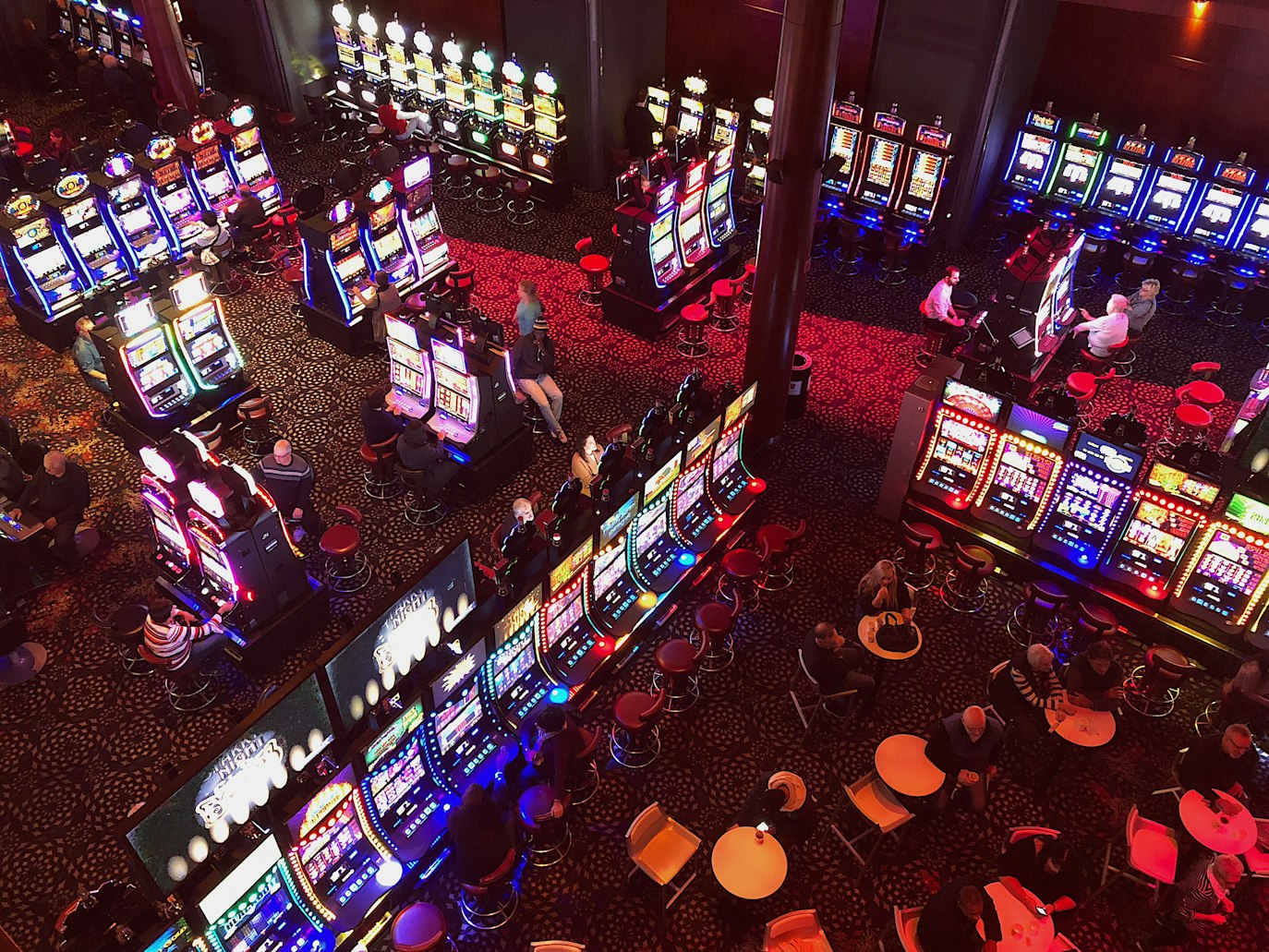
Research in environmental psychology indicates that the flow of movement within a space can significantly affect behaviors and decisions. Casino designers leverage this knowledge, ensuring that pathways are intuitive and seamlessly integrate various areas, such as lounges, bars, and restaurants. By creating a natural flow, they enhance guest experiences, ultimately encouraging patrons to indulge in multiple offerings, thus boosting overall revenue. This comprehensive design approach ensures that guests feel engaged and satisfied throughout their visit.
The Power of Color in Influencing Emotions
Color psychology holds immense significance in casino design, as different hues can evoke specific emotions and behaviors among guests. For instance, red is often employed to stimulate excitement and urgency, making it a popular choice for high-energy gaming zones. In contrast, blue tends to evoke feelings of calmness and trust, which can be advantageous in areas designated for table games or lounges. By strategically selecting colors, designers can create areas that elicit the desired emotional responses from their audience, enhancing the overall gaming experience.
In addition to individual colors, combination palettes are utilized to establish contrasting areas within the casino. Warm colors might dominate the gaming floor, while cooler tones could define relaxation zones. This differentiation helps to create a balanced atmosphere, allowing guests to transition from high-stakes excitement to more laid-back experiences seamlessly. Such thoughtful color choices enhance the emotional landscape of the casino, contributing to an overall feeling of comfort and engagement that encourages prolonged visits.
Moreover, colors can also serve branding purposes. Casinos may adopt unique color schemes that align with their identity and target demographic, creating a visual language that resonates with their audience. The combination of aesthetically pleasing visuals and an understanding of psychological triggers can lead to a memorable experience, encouraging repeat visits. Ultimately, the colors chosen in casino design do more than beautify the space—they serve a functional role in influencing guest behavior, enhancing enjoyment, and creating an inviting atmosphere.
Psychological Triggers and Gamification in Casino Design
The integration of gamification elements into casino design serves to heighten excitement and player engagement. Features such as loyalty programs, special rewards, and achievements tap into intrinsic motivations, compelling visitors to spend more time and money in pursuit of benefits. These psychological triggers create an environment where players feel that they are on a journey, fostering anticipation and emotional investment in the gaming outcomes. This sense of progression not only makes the experience more enjoyable but also enhances the likelihood of repeat visits.

Moreover, casinos often implement interactive displays and electronic games that further elevate the experience. By incorporating advanced technology, designers can offer a more immersive environment that appeals to tech-savvy patrons. These innovations not only attract younger demographics but also introduce new ways to experience gaming, making the casino more appealing to a broader audience. As technology continues to evolve, casinos must adapt their designs to remain relevant and engaging.
The concept of ‘near misses’—situations where players come close to winning yet ultimately lose—plays a significant role in casino design. This psychological phenomenon can lead to increased motivation, prompting individuals to play longer in hopes of achieving victory. Casinos leverage this principle in their designs, ensuring that elements like game layouts and machine placements trigger those near-miss experiences. Such strategies contribute to a cycle of engagement that can enhance both enjoyment and spending among guests, creating a thrilling atmosphere that keeps players coming back for more.
Understanding Casino Websites as Extensions of the Experience
In the digital age, the role of casino websites has become increasingly integral to the overall guest experience. These online platforms serve as digital gateways that introduce potential customers to the casino’s offerings, ambiance, and unique selling propositions. A well-designed website can reflect the physical casino’s aesthetic, using branding elements like color schemes and logos to create continuity across both platforms. This seamless connection enhances brand recognition and can significantly influence visitors’ decisions to engage with the physical location.
Additionally, the user experience on these websites is crucial for presenting information clearly and effectively. Potential guests should be able to navigate the site effortlessly to find essential details such as game offerings, promotions, and amenities. By enhancing usability, casinos can better cater to visitor needs, thus encouraging them to visit. Well-designed sites also incorporate calls to action that direct users toward booking reservations or learning about special events, effectively transforming online interest into real-world engagement.
Furthermore, the emergence of online gambling has compelled casinos to adapt their websites into more comprehensive platforms that offer both information and interactive gaming experiences. As competition intensifies, casinos must prioritize their online presence to attract and retain customers. By employing engaging content and features that mirror the excitement of physical gaming, these websites can play an essential role in drawing in new clientele and fostering a sense of community among players. This digital extension ensures that the casino experience is accessible and enticing, regardless of the format.